Saturday, November 3, 2012

Caution – Jerky Treats from China

Caution – Jerky Treats from China

In the light of increasing cases and information of illness in dogs that have been exposed to “Jerky Treats” manufactured in China, we would like to make sure that our clients are aware of this potential problem. We advise the use of pet foods and treats that are manufactured locally by recognized and trusted companies.
Signs to look out for that may be associated with jerky pet treats include decreased appetite and activity, vomiting, diarrhea and increased drinking and urinating. Laboratory findings may include signs of kidney problems including glucose and/or protein in the urine. Some of the reported cases may be the result of causes other than the consumption of jerky treats. This concern has not been definitively isolated to jerky treats so caution is indicated with all pet food products that originate from China. Currently the US FDA and numerous veterinary authorities are investigating this problem. Should you have a concern that your pet has become ill after exposure to imported treats, please notify your veterinarian immediately.

More information can be found at the following sites:

Sunday, August 26, 2012

Beyond the reflection: the dangers of windows

by birdscalgary

Posted by Matthew Sim
As the fall migration starts to heat up and southbound warblers, vireos, flycatchers, sparrows and more pass through Calgary, birding can become quite exciting. While for us, this is a great time to be out and about, for the birds, it is dangerous; very dangerous. Migrating passerines (perching birds), for example, have to travel long distances all while on the lookout for predators such as hawks and cats, try to get food themselves and hope they don't get caught in an early cold-snap which could potentially kill them. And this is just the beginning, there are even more dangers; one of them which is the most lethal of them all.
According to Sibley Guides Bird Mortalities, window strikes (when a bird hits a window) kill between 97 and 976 million birds each year, more than any other cause of birddeaths. (http://www.sibleyguides.com/conservation/causes-of-bird-mortality/).  I was in my neighbor's yard when I noticed one of these fatalities on his patio. While I had been there, a migrating Ovenbird had struck his window and had died. Though birds can crash into  windows at any time of the year, window strikes tend to happen more frequently during migration as an influx of migrants come through unfamiliar territory, passing from tree to tree. As you can see in the photo below, it is quite easy for a birdto see its habitat reflected in a window and believe that it is simply another tree they are heading to; I'm sure most don't know what hit them.

If I were a bird, I would probably fly towards these trees too.
Many bird populations are declining already due to a number of reasons and we don't need to help them along with  reflective windows when we could easily prevent window strikes occurring.

This Ovenbird had struck my neighbor's window while I was in his yard.

A closer look at the detail on the Ovenbird's feathers
Probably the worst part of all this is that window strikes are senseless; it's not like natural selection where it was meant to happen, window strikes are part of our devastating side effects on nature; however, they can also be easily prevented.
There are many ways to prevent birds from striking windows. If you are having birds fly from your feeders or bird baths into windows, you can either move these bird attracting features further away (25-30 feet) from the window or closer (1-3 feet) to the window so that if the birds do hit the window at just 1-3 feet they will not be going fast enough to do any harm to themselves.
Apparently, there is also a material called CollidEscape which can reduce reflectivity and transparency on the outside but still leave the windows transparent from the inside. You can check it out here.
Here are a few more options:
  • plant shade trees outside windows to break down reflections
  • install snap-on window dividers
  • put a hanging plant outside of the window
These are just a few of the ways you can avoid window strikes and help reduce the number of avian mortalities each year. Often, preventing window strikes can be as simple as closing the curtains or blinds when not using the windows. You can see even more solutions here.
If you have birds hitting your windows, there are many ways to stop it; help out bird populations!


I would like to thank Birds Calgary and Matt Sim for this insightful article which I have re-posted here in full.


Monday, April 30, 2012

Screw Tail of Bulldog


We performed a very successful tail amputation on a bulldog with an Inverted Screw Tail this week. “Chase” has had his pinched in little tail since birth, but it has only started to present a problem for him in the past 6months or so. His tail was to tightly curled down that it could not be elevated at all and he has developed a severe case of under tail infection causing a great deal of discomfort. The area could not be accessed to bathe or clean in any way and no salves could be adequately applied. In an attempt to relieve his discomfort it was decided to anesthetize him and investigate further with a view to amputation of his tail tip. Even under general anesthetic the downward deviation of his tail was so severe that cleaning was impossible.

Surgery was performed and despite a great deal of anatomical challenge, the misshapen tail tip was amputated back to a point that would prevent further complications. Then the redundant folds of tail skin were resected to prevent any folds or wrinkles to interfere with normal stool passage, and to give a cosmetic ally balanced appearance. “Chase” has recovered well after his surgery, and we expect him to be completely resolved of rear end issues.

Monday, December 19, 2011

To all of our Loyal Clients, Lovely Patients
 and Regular Followers,

 We wish you all Happy Holidays, Merry Christmas 
  and A Joyous New Year

 The year is once again drawing to a close and the festive season is upon us. Again, in lieu of Christmas cards, we will be donating to our favorite animal and wildlife charities, listed below, with a view to helping these organizations continue with their fabulous work:

  • The Companion Animal Fund of the University of Calgary
  • The Companion Animal Fund of the University of Saskatchewan
  • Calgary Humane Society
  • Animal Cancer Therapy Subsidization Society (ACTSS)
  • Canadian Wildlife Federation
  • Canadian Parks and Wilderness Society (CPAWS)


During this holiday season while celebrating with our family, friends and pets, we would like to thank all of our wonderful clients and patients for all your support throughout the past year. Some of our most rewarding moments continue to come from the help we've been able to provide both to our patients and clients.


Throughout the year we've assisted in training a number of foreign graduate veterinarians, animal health technologists and veterinary receptionists. We’ve also been able to provide volunteer opportunities to high school students and have given presentations to children at local schools.


We have set up a veterinary blog at http://bridlewoodvc.blogspot.com/ and a presence on Facebook. We would be happy if you would visit us online, scan through some of our articles, and “Like” us on Facebook.


The doctors and staff of Bridlewood Veterinary Clinic would like to take this opportunity to wish all of our clients the very best of compliments of the season and a happy, healthy and wonderful New Year.

Sunday, December 11, 2011

Clostridial Diarrhea and Colitis in Dogs


Clostridium perfringens is a common cause of diarrhea in our canine patients. Clostridium is a soil dwelling bacterium which can be cultured from the feces of many normal dogs. Under certain circumstances it overgrows the normal colonic bacteria and forms spores which produce an endo-toxin. The toxin causes an inflammation of the colon resulting in diarrhea. This begins as a watery and mucus covered diarrhea progressing to include some blood and can become very serious. Some dogs will experience intermittent and recurrent bouts of diarrhea while being completely fine in between. On presentation to the clinic these dogs are often happy and healthy, excepting for the history of chronic watery persistent diarrhea and straining. Any age or breed of dog can be affected.

Diagnosis always begins with a clinical examination of the dog and rule out other causes of diarrhea. Fecal testing is performed to eliminate other causes of infectious and parasitic infestations. Microscopic examination will readily demonstrate a huge overgrowth of sporulating clostridial bacteria. Fecal samples can be submitted to a veterinary laboratory for PCR testing which can specifically identify the Clostridium perfringens toxin.

Treatment entails the use of an antibiotic. Generally we begin with metronidazole or amoxicillin. These antibiotics are typically used for a period of 7 to 10 days if it is a first occurrence. For recurrent cases we significantly extend the time for which we use the antibiotics.
Probiotics are used in an attempt to improve the intestinal and colonic flora. We now have specific dog products available to us and these have proved helpful. Dietary management is very useful adjuvant and we may recommend a specific gastrointestinal diet. Fortunately many commercial veterinary prescription diets are available to us. Occasionally we might also recommend the use of specific home prepared diets.
 
The majority of clostridial colitis patients responded quickly to the use of antibiotics and recurrences are infrequent. However, a number of dogs seem to be particularly susceptible to recurrence once the antibiotics are ceased. Typically the cause is an underlying immune incompetence or bowel sensitivity on the part of the dog, and ongoing medication is required. Fortunately even for patients requiring ongoing medication, we find the antibiotics are well tolerated and a return to full health occurs shortly after a return to antibiotic treatment.

Wednesday, November 23, 2011

Seeing Eye Dog


This was forwarded to me and I like it so much that I have posted it here - Dr Mark Rubensohn.

 A thousand words couldn't begin to tell the story in these pictures.


Lily is a Great Dane that has been

blind since a bizarre medical condition required that she have both eyes

removed. For the last 5 years, Madison, another Great Dane, has been

her sight. The two are, of course,

inseparable.


"People will forget what you said; People will forget what you did.
But people will never forget how you made them feel."  
 

Friday, August 5, 2011

Dog Attacks


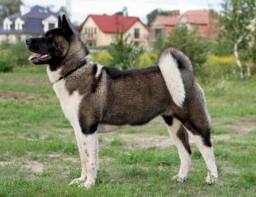
The recent, very unfortunate event in Didsbury, Alberta, where two Akitas attacked and seriously injured two young people who were know to them as well as their dog, highlights the problem of dog attacks and what brings it about, once more.
There is no doubt that there are a number of facts leading to this particular attack:
1. The fact that there were new born (4 days old) puppies and that therefore the mother dog would have been increasingly protective
2. That the owner, who would have had the most control over the Akitas, was away.  Also she would instill a sense of trust and calm into her dogs, which was not there due to her absence.
3. The couples beagle dog coming into the environment of the bitch with the new born puppies would almost surely have aggravated the protective instincts of the mother Akita
4. Dog aggression will be compounded by the flight and panic of the object of their attack.  If the beagle and its owners were yelling in flight, then the aggression would have be aggravated.

What has made this incident even more sinister is that the couple and there beagle were well known to the Akita’s and that despite their attempts to escape they were persued by the Akitas until they could fight their way out of the garage.

The reality remains however, that despite the fact that we are talking about peoples pets, our “best friends”, and constant companions, animals that they love dearly, pets that are regarded as part of the family, that we experience aggression, biting, nipping and dominant behavior continuously from our dogs.  As a veterinarian it is of great concern to me that so many of our dogs can not be controlled by their owners.  That so many dogs are out of control and undisciplined, regardless of their size or breed.  One need only tune into an episode of “Caesar Milan’s Dog Whisperer” on TV to see how dogs are ruling the behavior of their people, rather than the other way around.

The statistics of dog attacks show without exception that dogs that have been trained and are obedient have a statistically hugely lower incidence of attacks on people.  This includes all breeds both large and small.  In the UK Labradors have been one of the top listed breeds of dogs involved in attacks.  Here in the US and Canada, German Shepherds were for a long time on top of the list but have now been replaced by the power breeds of Pit Bulls, Cane Corso’s and here we have a case of Akitas.  The big difference with the power breeds of course is that they do more harm than the smaller breeds.

As a society we can do well to remember that the happiest dogs are those to which we assign jobs and work and from which we demand respect of our rules.  No matter what the breed, all of our dogs have been bred to work and we need to not only allow them, but to teach them how to do this.  All dogs should know how to sit on command.  Also how to heel, lie down, stay, come and walk on a leash without pulling.  No dogs should jump up on us without being invited to do so, or jump onto the furniture without invitation.  Food should not be available all day, but should be given twice daily with the requirement that the dog sits obediently and only take the food on command.  Praise and reward should be earned, and not unconditional.  And the best “love” that you can give your dog is to give it adequate exercise and attention.  If you need help in how to do this just tune in to an episode of “The Dog Whisperer” and if necessary enroll in training classes, which are available all over, and conveniently for us with the Calgary Humane Society.  If you want to see a happy dog just attend a show of “Super Dogs” or go to any dog agility trial.  All of this is available in Calgary.  Empower your pet to attain it’s true potential with your help.  That is what loving your pet is really about!


PS:  After jotting down the above I requested feedback from three dog trainers with whom I work closely.
The following are their replies.


Janine:

I think there is a problem with the power breeds and biting it is quite inflammatory (and yes, they certainly happen but get spectacular press).  This gives people the impression that their biting Dachshund or Cocker Spaniel isn't an issue as hospitalizations don't happen as often.  A far bigger problem I feel is dogs in the home biting - usually the small breeds and although these don't make the headlines, yet they create an environment of owner terror and helplessness where the dogs rule the household.  


Dave:

Well done Mark!  I agree with your position and feel you have expressed it well.  The Akita is breed that was bred to guard and this is an important fact that may help people understand why the dog might react in a certain way, even without the presence of new puppies, which as you mentioned would certainly escalate the situation.  Often people tend to misread, or not pay attention, to what a dog is telling us through its body language.

It seems you are putting the responsibility on the owner and not the dogs, with which I agree with as well.   It seems as though the dogs and those unfortunate people were placed in a horrible position by the owner.  The situation was not the same as it was before the pups had arrived and they should have all thought about that before having the dogs with their puppies in the “passage way” to get into their home.  Especially as you mentioned with another dog being present.  So why should these dogs even be considered for being put down when they reacted with a normal animal behavior to protect their pack?  The owner should be the one to suffer the cost to ensure the humans safely heal mentally and physically and the cost to rehabilitate the Akita's and place them in a proper environment with a human who knows how to handle a “power breed”.

I worked with an Akita who was on guard all the time and it only took 3 minutes for me to remove that with her.  It took the owners a few months but they are now with a dog that has not attacked in over 8 months and has dog friends.  Before the dog had attacked 3 dogs in 4 months.  The dogs can be trained most of the time to be under control, but the owners have to want that for their pet, and to put in the required effort in.


Gail:

Great points Mark.  I think that you've covered most of the basic issues with this horrible and tragic attack, especially in regards to why the Akitas were motivated to attack.

I'm a big believer in leadership as you know, and to me that is the foundation of proper and healthy dog ownership. I think that pet owners are often conflicted by this need to provide leadership and direction and for the usual reasons of needing the dog to meet their needs, be that as substitute children, security or friendship. I have often told my clients that they don't respect their dogs if they are unable or unwilling to treat their dogs as dogs and not as people.

I support your views of training and jobs one hundred percent. I would like to stress over and over, that dogs are dogs, and that they communicate with body language and voice tone. They have strong instinct, and that is what motivates their behavior. Therefore, in order to be good and responsible dog owners, we must learn to view life from the perspective of the dog and not dump our human thoughts and emotions on them. We've put them in a situation where for the most part, they are dependent on us to survive. Therefore, we need to provide them with their needs, not ours.